

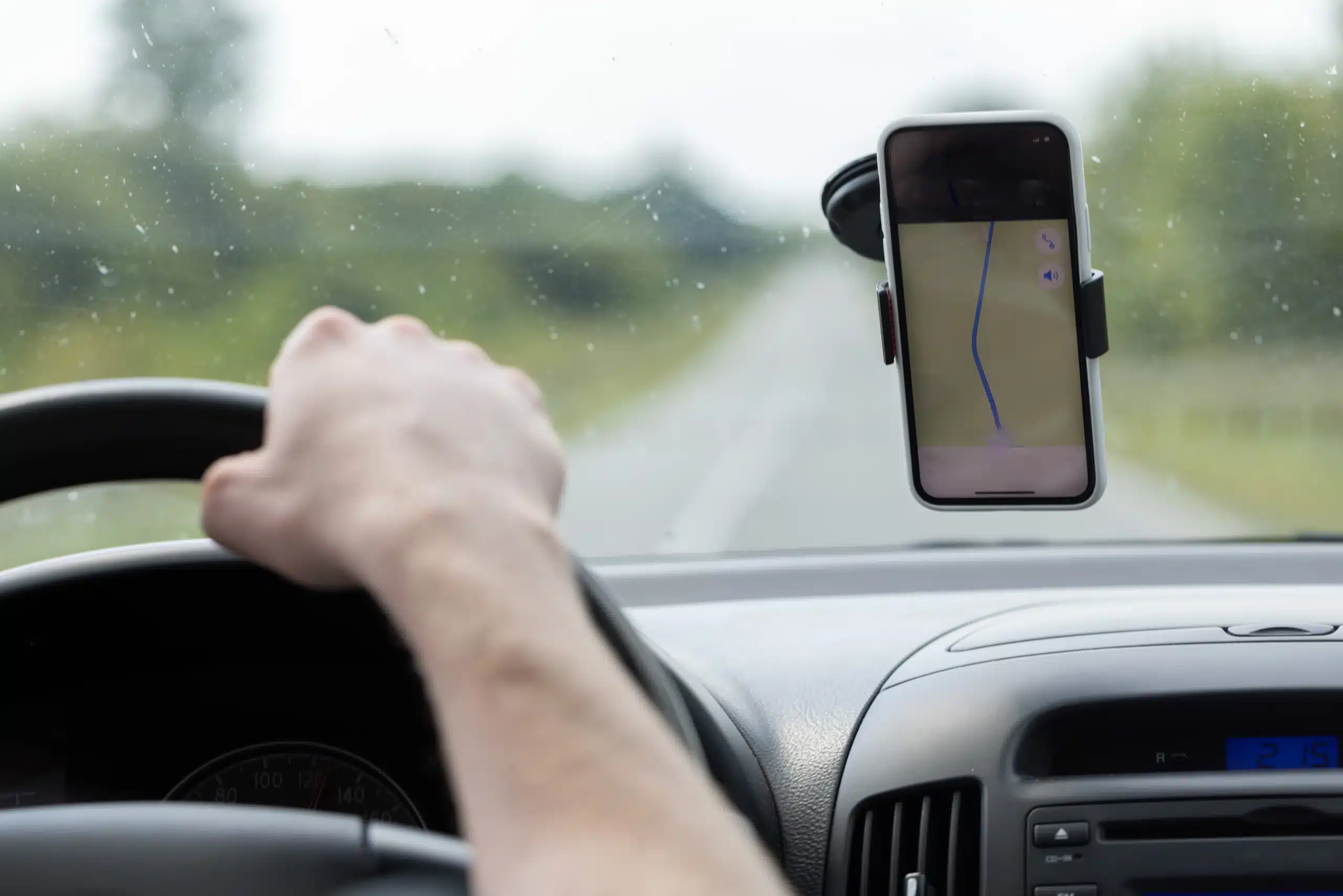
For Maine drivers, getting from one place to another can mean navigating everything from busy city streets to winding rural roads surrounded by forests. Winter weather, wildlife, long distances, and changing road conditions can all make driving in Maine different from driving in other parts of the country. As technology continues to influence the insurance industry, telematics programs are giving drivers another way to potentially connect their driving habits with their Auto Insurance experience.
Telematics generally refers to technology that gathers information about driving behavior through a smartphone app, vehicle device, or integrated system. Depending on the program, information such as braking, acceleration, mileage, speed patterns, and driving times could be considered. But can these programs actually save money for someone driving Maine backroads? The answer depends on the insurer, program, driving habits, and individual policy details.
At Allen Freeman McDonnell Agency, we understand that Maine drivers may have questions about how emerging technology fits into their Car Insurance decisions. Here is what to know before signing up for a telematics program.
What Is Telematics And How Does It Work For Maine Drivers?
Telematics programs are designed to collect information about how a vehicle is driven. An insurance company may use a smartphone application, plug-in device, or vehicle technology to gather certain driving data. The specific information collected and how it is evaluated can vary between programs.
For a Maine driver, this could mean the program tracks factors such as hard braking, rapid acceleration, mileage, or driving during certain hours. Some programs may also evaluate phone usage while driving or other behaviors associated with distracted driving.
The goal is generally to create a more individualized picture of driving habits. Instead of considering only traditional rating factors, a participating insurer may incorporate telematics information into how an eligible policy is evaluated. Drivers should review the terms of any program carefully so they understand what information is collected, how long it may be used, and how participation could affect their insurance.
Can Safe Driving Apps Actually Reduce Auto Insurance Costs?
Potentially, yes, although savings are not guaranteed. Some Auto Insurance companies offer telematics programs that may provide discounts or other pricing opportunities for qualifying drivers who demonstrate certain driving behaviors.
For a careful driver, participation could be worth considering. Someone who generally avoids sudden braking, aggressive acceleration, excessive mileage, and distracted driving may see a favorable result depending on the insurer’s program.
However, drivers should not assume that downloading an app automatically means their premiums will decrease. Each program has its own eligibility requirements, scoring methods, participation rules, and potential outcomes. The effect on an individual policy can also depend on the insurer and other rating factors.
Do Maine Backroads Make Telematics More Complicated?
Maine’s roads can present driving situations that are not always easy to interpret through an app. A driver traveling a rural road may encounter sharp curves, unexpected wildlife, potholes, snow, ice, or a vehicle suddenly entering the roadway. Braking firmly in one of these situations does not necessarily mean someone is driving carelessly.
Winter driving can present another consideration. Maine drivers may need to adjust their speed and braking based on changing road conditions. A trip that is uneventful in July can look very different after a snowstorm in January.
Because telematics programs vary, drivers should understand how their particular program handles these circumstances. It can be useful to ask questions about how driving data is interpreted rather than assuming every hard-braking event is treated the same way.
What Driving Habits Could A Telematics Program Consider?
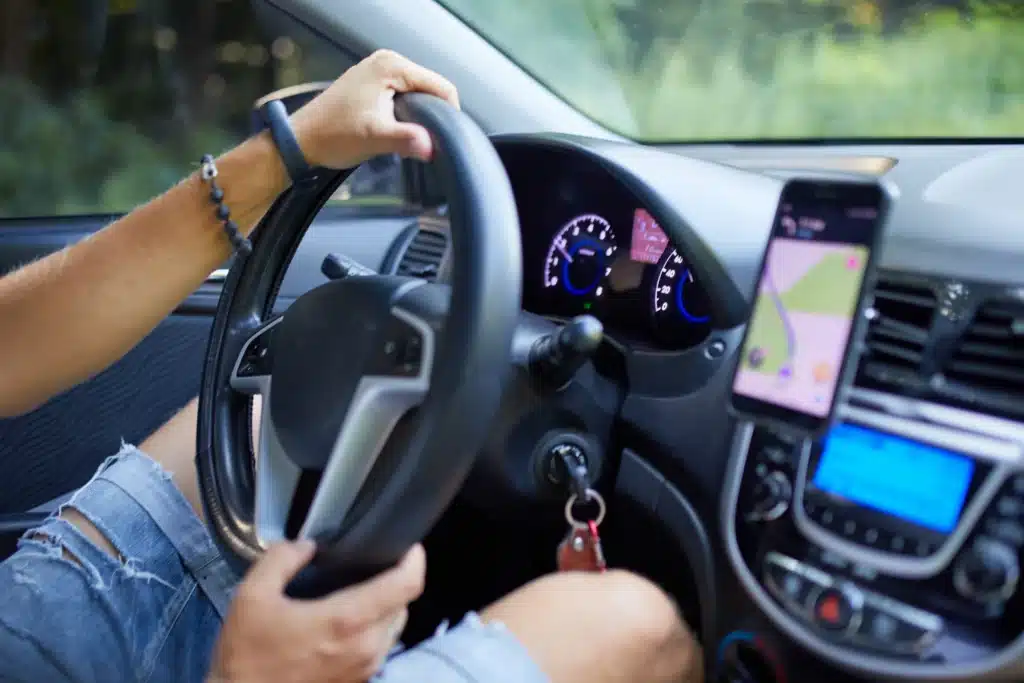
The specific factors depend on the program, but telematics technology may consider several aspects of everyday driving. These can include:
- Braking: Sudden or frequent hard braking may be evaluated.
- Acceleration: Rapid acceleration could be part of a driving score.
- Mileage: Some programs may consider how many miles a vehicle travels.
- Driving Hours: Certain programs may look at when a vehicle is typically driven.
- Phone Use: Some applications may evaluate phone interaction while driving.
For Maine drivers, context matters. A trip through Portland, Bangor, Augusta, or another populated area may involve very different traffic patterns than a drive along a rural highway. Understanding what a program measures can make it easier to determine whether participation fits a driver’s routine.
Is Telematics Right For Every Maine Driver?
Not necessarily. Telematics can be an appealing option for some drivers, but it is not automatically the best choice for everyone. A person who drives relatively little and maintains consistent driving habits may find a program worth exploring. Another driver may have concerns about data collection, app permissions, mileage tracking, or how certain driving events are evaluated.
Drivers who regularly travel for work, commute long distances, or operate a vehicle at unusual hours may also want to understand how those patterns interact with the program.
The decision can be especially important when comparing Auto Insurance options. Rather than choosing a policy based solely on a potential telematics discount, it may make sense to consider the broader policy, available options, limits, deductibles, and overall cost.
How Does Telematics Fit Into A Broader Insurance Strategy?
Telematics is only one piece of the larger Auto Insurance picture. A driver’s policy can involve numerous considerations, and available options differ among insurers. Factors such as the vehicle, driving history, location, usage, and selected policy features can influence the insurance experience.
For Maine households with multiple vehicles, recreational vehicles, or changing transportation needs, it can be useful to review the entire insurance program periodically. Businesses and organizations may have additional considerations, including specialized vehicle use or Car Association Insurance needs.
The important point is that a telematics program should be viewed as one potential tool rather than a substitute for reviewing an insurance policy as a whole. An independent insurance agency can provide perspective on available options and help drivers understand how different choices may fit their circumstances.
Should You Explore Telematics With Allen Freeman McDonnell Agency?
If you are a Maine driver wondering whether telematics could fit into your Auto Insurance strategy, a conversation with an insurance professional can be a useful starting point. The right approach can depend on how much you drive, where you drive, your comfort with sharing driving data, and the programs available through different insurers.
Allen Freeman McDonnell Agency serves Maine drivers with an emphasis on understanding individual insurance needs. Whether you are curious about telematics, reviewing Car Insurance options, or looking at Car Association Insurance considerations, the agency can help you explore your choices and make an informed decision.
Reach out to Allen Freeman McDonnell Agency today to discuss your Maine Auto Insurance options and whether a telematics program could be worth considering for your driving habits.